
 Everything Indian

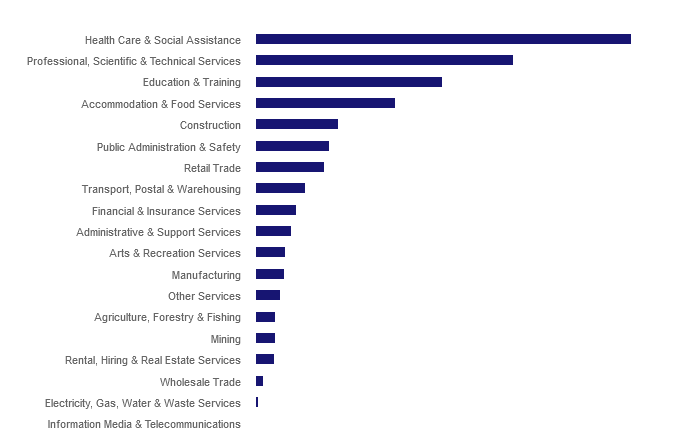
Australian legislators support the premise that cheap or free nursing programmes will boost the number of nurses, one of the jobs with the highest demand in Australia over the ensuing five years.
Student demand typically reflects the labour market for well-known professions like nursing. Australian legislators support the premise that more affordable nursing programmes will boost the number of nurses, one of the jobs with the highest demand in Australia over the ensuing five years.
The previous federal government reduced contributions for nursing students by 40% starting in 2021, to little under A$4,000 year. The Victorian government is going a step further by temporarily paying the tuition for undergraduate degrees in nursing and midwifery.
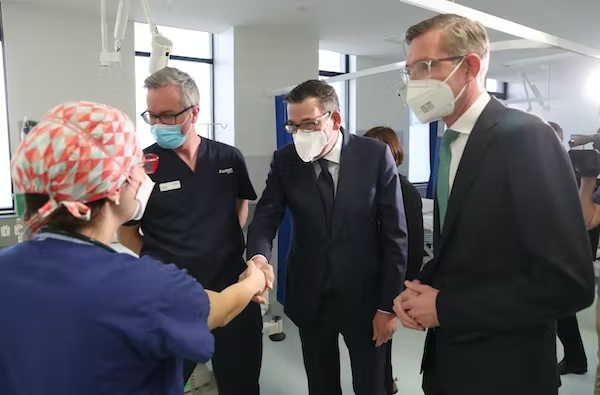
The action is a part of “creating an army of homegrown health workers to care for Victorians,” as Premier Daniel Andrews put it. Both of these policies are unlikely to have a significant effect on the number of students who enrol in nursing courses.
We’re making it free to study to become a nurse or midwife in Victoria.
— Dan Andrews (@DanielAndrewsMP) August 28, 2022
However, if the Victorian policy were revised to be a monetary reward, it would be simpler for nursing students to finish their coursework.
Students starting undergraduate nursing and midwifery programmes in 2023 and 2024 will be subject to the Victorian government’s policy. Some student contributions will still be due from these students during their studies, or they may be deferred under the HELP loan programme . While the student is enrolled, the Victorian government will pay $9,000, which is $3,000 less than the $12,000 total course fee for a three-year nursing degree.
The declaration from the Victorian government specifically mentions tuition prices. The total value is $16,500 for students who earn their nursing degrees and then spend two years working in the Victorian public sector.
However, some of it will be paid in cash. This is several thousand dollars more expensive than a three-year nursing degree.
A nursing graduate who satisfies all degree requirements will be $16,500 better off in either case. The sole distinction between paying student contributions and providing the student cash is the time of this financial advantage.
Also Read: Federal government’s climate change bill passes
Living expenses
The cash benefit occurs after graduation in the form of lower HELP repayments if the student has all or the majority of their student contributions paid while they are still in school.
When their yearly income already surpasses $48,361, they gain from this. If a student is paid while they are in school, it provides them with money while their salary is substantially lower. Students studying nursing and midwifery may use their financial aid to offset the cost of their practical education.
Additionally, it might decrease the number of students who discontinue their studies due to financial hardship or who study part-time to accommodate paid employment, delaying course completion and the beginning of their nursing careers.
Could the Victorian Scheme Increase Nursing Initiation?
The Victorian Nursing and Midwifery Financial Assistance could speed up and increase the rate of course completion if paid in cash. However, it won’t result in more people starting their nursing and midwifery degrees.
Free TAFE has helped 115,000 Victorians train and get into some of our most in-demand jobs.
Free nursing and midwifery will do the same.
— Dan Andrews (@DanielAndrewsMP) August 29, 2022
Also Read: Victoria’s triple zero service anticipated an increase in demand for COVID-19.
Already, there is a gap between demand and supply for nursing education. The restricted capacity for clinical training and the overall financing per student that universities receive, which includes both Commonwealth and student contributions, are two barriers that universities must overcome in order to increase the number of nursing students.
Despite the fact that nursing programmes are seeking for methods to grow, adding more students would only add to the already overburdened health care system’s workload.
More clinical placement capacity and scholarships aimed at living expenses should be favoured over cutting student course costs.


GIPHY App Key not set. Please check settings